As much as we love our furry companions, sometimes their behavior can be challenging.
If you own a reactive dog, you understand the stress and frustration of managing their behavior.
Reactivity in dogs is a common problem that many pet owners face, but it doesn’t have to be a lifelong struggle.
In this blog post, we will dive deep into reactive dog behavior, its possible causes, and how to recognize your dog’s triggers.
Additionally, we will provide practical tips and tricks for handling and reducing your dog’s reactivity through desensitization and counter-conditioning techniques.
We will also cover management approaches such as sightline barriers and walking route changes to help you create a safe environment for your pup.
So, if you’re tired of feeling helpless regarding your reactive dog’s behavior, read on for expert advice on how to turn things around.
Understanding Reactive Dog Behavior
Identifying and modifying reactive behavior is crucial for positive training and requires a tailored behavior modification plan.
Understanding dog body language is essential in recognizing reactive behavior for an effective training program.
Recognition of reactive behavior is fundamental to providing the right stimuli for reactivity training, including desensitization and counter-conditioning techniques.
A veterinary behaviorist can also help create a behavior modification plan tailored to your dog’s needs.
Understanding reactive behavior is crucial before enrolling in an online course for reactive dog training, where you can learn about techniques for reducing reactivity in dogs and managing a reactive dog’s environment.
Defining Reactivity in Dogs
Exaggerated responses to stimuli characterize reactivity in dogs, often presenting as fear or aggression.
Defining this behavior is crucial for tailoring an effective training plan and identifying triggers.
By understanding reactivity, dog owners can focus on modifying emotional responses, which is essential for the well-being of their pets.
This understanding is fundamental in formulating a positive training approach for modifying reactive behavior.
Recognition of triggers is pivotal for the success of any reactivity training program.
Common Signs of a Reactive Dog
Recognizing signs of reactivity in dogs is vital for early intervention and effective training.
Common indications include barking, lunging, and specific body language that signals stress or discomfort.
Understanding that these signs can vary based on the dog’s emotional state is crucial, making it essential to recognize and interpret them accurately.
Pet owners and trainers can implement tailored behavior modification plans to address reactivity issues by discerning these signs.
This is where the expertise of a veterinary behaviorist or the guidance from an online course on dog behavior can be invaluable.
Grisha Stewart, a renowned expert in dog body language and reactivity, emphasizes recognizing these signs for successful training interventions.
Possible Causes of Canine Reactivity
Understanding the factors contributing to canine reactivity is pivotal for effective training and behavior modification.
A lack of socialization during the critical developmental period can significantly contribute to reactivity in dogs.
Past traumatic experiences can also be a root cause of reactive behavior in canines.
Identifying these potential causes helps formulate a tailored training plan and plays a key role in understanding the underlying reasons behind reactive behavior.
By addressing these causes through professional interventions and comprehensive training approaches, such as desensitization and counter-conditioning, dog owners can work towards fostering a more relaxed and well-adjusted companion.
This understanding is fundamental for implementing successful behavior modification strategies and ensuring the overall well-being of our canine companions.
Identifying Your Dog’s Reactivity Triggers
Recognizing triggers is fundamental for modifying reactive behavior. Observing and understanding triggers provides vital insights for tailoring a training plan and behavior adjustment.
Identifying triggers is essential as they play a crucial role in counter-conditioning.
A tailored approach can be adopted through careful observation and recognition to help your dog overcome reactivity.
Understanding your dog’s triggers also assists in early intervention and helps in addressing the underlying causes through behavior modification techniques.
Recognizing Common Triggers for Reactive Dogs
Observation is crucial in detecting triggers for reactive dogs, as understanding common triggers is fundamental for reactivity training.
Common triggers, such as loud noises or unfamiliar dogs, may lead to reactive behavior, and recognizing these triggers is essential for developing a tailored training program.
Identifying common triggers aids in behavior modification and is a key step for positive training.
By observing and understanding common triggers, dog owners and trainers can gain valuable insights into the behavior of reactive dogs, facilitating effective reactivity training.
Importance of Observation in Detecting Triggers
Detecting reactivity triggers in dogs heavily relies on keen observation of their behavior. Trainers can pinpoint triggers that induce reactivity by paying close attention to their actions and emotional responses.
This detailed observation is crucial for understanding a dog’s emotional state and identifying the precise stimuli that lead to reactive behavior.
Moreover, carefully observing these triggers is vital for developing effective behavior adjustment training programs.
By observing and understanding a dog’s emotional responses and triggers, trainers can tailor their approach to reactivity, leading to favorable behavior modification and training outcomes.
Approaches to Handle a Reactive Dog
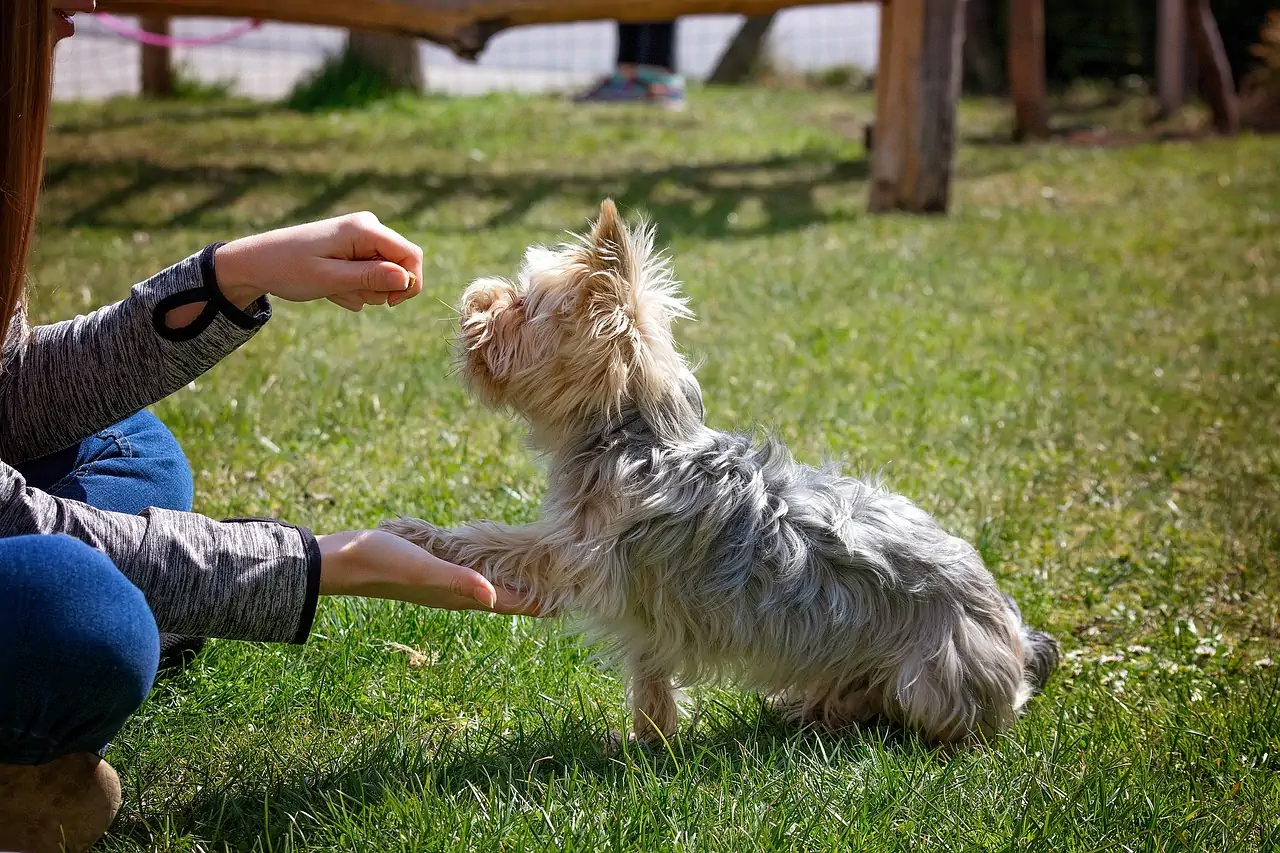
Desensitization and counter-conditioning are vital in reactive dog training. These approaches aim to change a dog’s emotional responses and behavior through positive reinforcement techniques.
Training can effectively help a reactive dog by addressing reactivity through behavior modification.
Seeking professional help is crucial in managing a reactive dog’s behavior, especially from a veterinary behaviorist or an online course specializing in dog behavior.
Understanding dog body language and recognizing triggers, such as resource guarding or encountering unfamiliar dog breeds at the dog park, is essential.
Last year, Grisha Stewart’s work on handling fearful and aggressive dogs made significant strides in the field.
It is important to avoid punishment or shock collars and focus on relaxed dogs, like the German Shepherd, to facilitate effective training.
The Role of Desensitization in Reactive Dog Training
Desensitization in reactive dog training aims to minimize a dog’s reactivity to specific triggers.
Gradual exposure is crucial to desensitization training, allowing the dog to build positive associations with triggers.
This method helps reactive dogs remain calm in stressful situations and is a fundamental component of reactivity training.
Desensitization can transform a reactive dog into a well-adjusted and relaxed companion when executed effectively.
Counter-Conditioning and its Effects on Reactivity
Counter-conditioning focuses on altering a dog’s emotional reactions to triggers, emphasizing the creation of positive associations.
Its effects are pivotal in modifying a reactive dog’s behavior, playing a significant role in behavior modification.
The training aims to replace negative responses with positive associations, aiding in reshaping reactive behavior.
Grisha Stewart’s influence and expertise underscore the effectiveness of this approach, ensuring a comprehensive understanding of canine behavior modification.
Combining Desensitization and Counter Conditioning for Effective Results
Combining desensitization and counter-conditioning allows dogs to form positive associations, effectively modifying reactive behavior.
Trainers use this method to help dogs cope with fearful situations, creating positive experiences for a calmer response to stress.
This approach helps dogs react more calmly in stressful situations, leading to effective behavior modification.
Professional trainers understand the importance of desensitization and counter-conditioning in helping dogs overcome reactivity, providing a more positive and relaxed experience for both the dog and the owner.
Techniques for Reducing Reactivity in Dogs
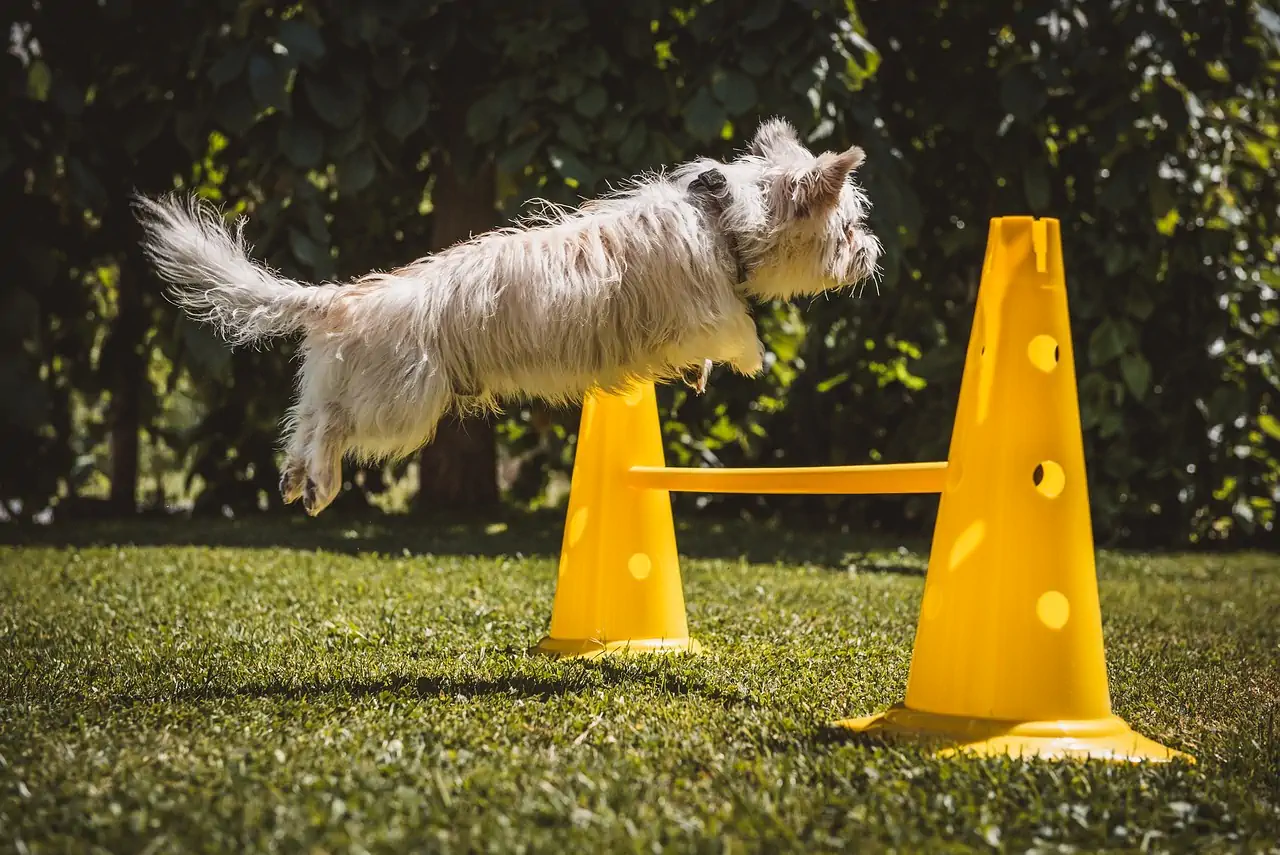
Professional dog trainers often recommend positive reinforcement training as a widely used technique for reactivity training.
Seeking professional help can guide dog owners in handling reactivity in dogs effectively.
Dedicated training programs for reactive dogs focus on creating positive experiences to modify their behavior.
Behavior modification is considered a good approach to address a dog’s reactivity, while punishment is not recommended in reactivity training for dogs.
Utilizing these techniques can create a positive and rewarding experience for the dog and its owner, resulting in a more conducive and harmonious living environment.
Walking Exercises and Their Role in Reducing Reactivity
Walking exercises are instrumental in acclimating dogs to various situations, aiding them in managing their emotional responses.
By controlled walking, dogs can be trained to address leash reactivity and gradually introduce positive stimuli within their comfort zones during walks.
This approach helps create a relaxed environment, allowing dogs to reduce their reactivity and associated stress levels.
Additionally, professional trainers emphasize the significance of walking exercises in desensitizing reactive dogs to different stimuli, ultimately helping them develop positive associations and exhibit calmer behavior in challenging situations.
The B.A.T. Technique and Its Benefits
The B.A.T. technique, developed by Grisha Stewart, is a behavior adjustment training approach that aids in teaching dogs to make calm choices when faced with situations that trigger reactivity.
This method allows dogs to communicate their comfort levels and encourages them to take the first step in making choices during training.
By utilizing the B.A.T. technique, dog owners can help their pets navigate stressful situations calmly, allowing them to learn how to manage their reactions.
The B.A.T. technique emphasizes empowering dogs to control their responses in challenging scenarios, promoting positive associations and reducing anxiety.
The Impact of Mat Training and Relaxation Protocols on Reactive Dogs
Mat training is crucial in helping dogs develop calm behavior across various environments.
By using relaxation protocols, dogs can better cope with loud noises and unfamiliar settings.
In addition, creating positive associations with puzzle toys helps dogs relax, contributing to their overall well-being and emotional stability.
Through mat training, dogs learn to remain relaxed even in the presence of triggers, increasing their ability to handle stressful situations.
Similarly, relaxation protocols aid dogs in maintaining a calm demeanor when faced with anxiety-inducing stimuli. When used in combination, these approaches can significantly improve the emotional resilience of reactive dogs, thereby enhancing their quality of life and behavior.
Managing a Reactive Dog’s Environment
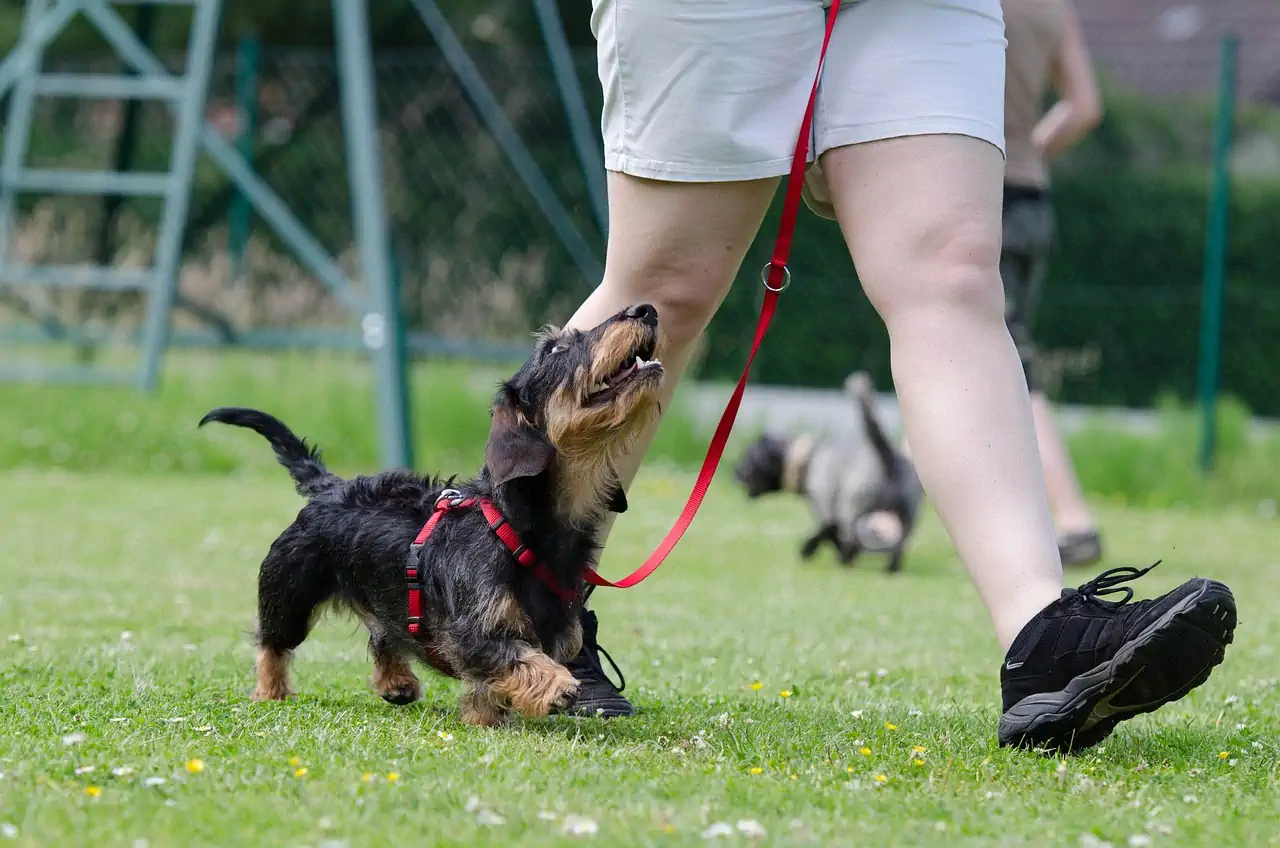
When managing a reactive dog’s behavior, avoid using a tight leash to give the dog a sense of freedom and minimize tension.
It’s crucial to offer mental stimulation through activities such as interactive toys or dog sports to redirect their focus positively.
Employ sightline barriers to help the dog feel safe in stressful situations, like on walks or at the dog park.
Seeking professional help from a veterinary behaviorist or an online course is essential for long-lasting results.
Creating a safe distance from triggers in the dog’s environment can prevent confrontations and alleviate their anxiety.
The Importance of Sight Line Barriers
Sightline barriers are crucial in reducing a reactive dog’s exposure to triggers, contributing to their sense of security and calmness.
By creating a physical separation from potential triggers, these barriers provide dogs with a safe space to observe the outside world while maintaining a relaxed mind.
Utilizing sightline barriers helps minimize a reactive dog’s stress and anxiety, making them feel secure even in challenging environments.
This enhances the effectiveness of reactive dog training strategies and contributes to the dog’s well-being in various settings.
How Changing Your Walking Route Can Impact Reactivity
Influencing a dog’s reactivity can be achieved by changing walking routes to prevent overexposure to triggers.
This variety exposes dogs to diverse environments, keeping them engaged and mentally stimulated.
It allows them to experience different outside-world scenarios, positively impacting their reactivity.
By taking the dog through new walking routes, you can help them adapt and remain calm in various situations.
This approach aligns with Grisha Stewart’s training methods, promoting relaxed dogs through environmental enrichment.
Changing walking routes contributes to the effective management of dog reactivity and can be integrated into an online course on dog behavior modification.
The Role of Treat Scatters and Magnet Hand in Management
Treat scatters are crucial in reinforcing positive behavior in management techniques for reactive dog behavior.
Similarly, using a magnet hand is highly effective in promoting eye contact during training sessions, as professional trainers recommend.
These methods assist dogs in focusing and making positive decisions, ultimately leading to calm behavior even in stressful situations.
By associating good behavior with positive reinforcement, dogs learn to maintain composure, enhancing their overall training experiences.
This approach is particularly beneficial in reactivity training and contributes to the well-being of dogs in challenging scenarios.
Tips for Socializing a Reactive Dog
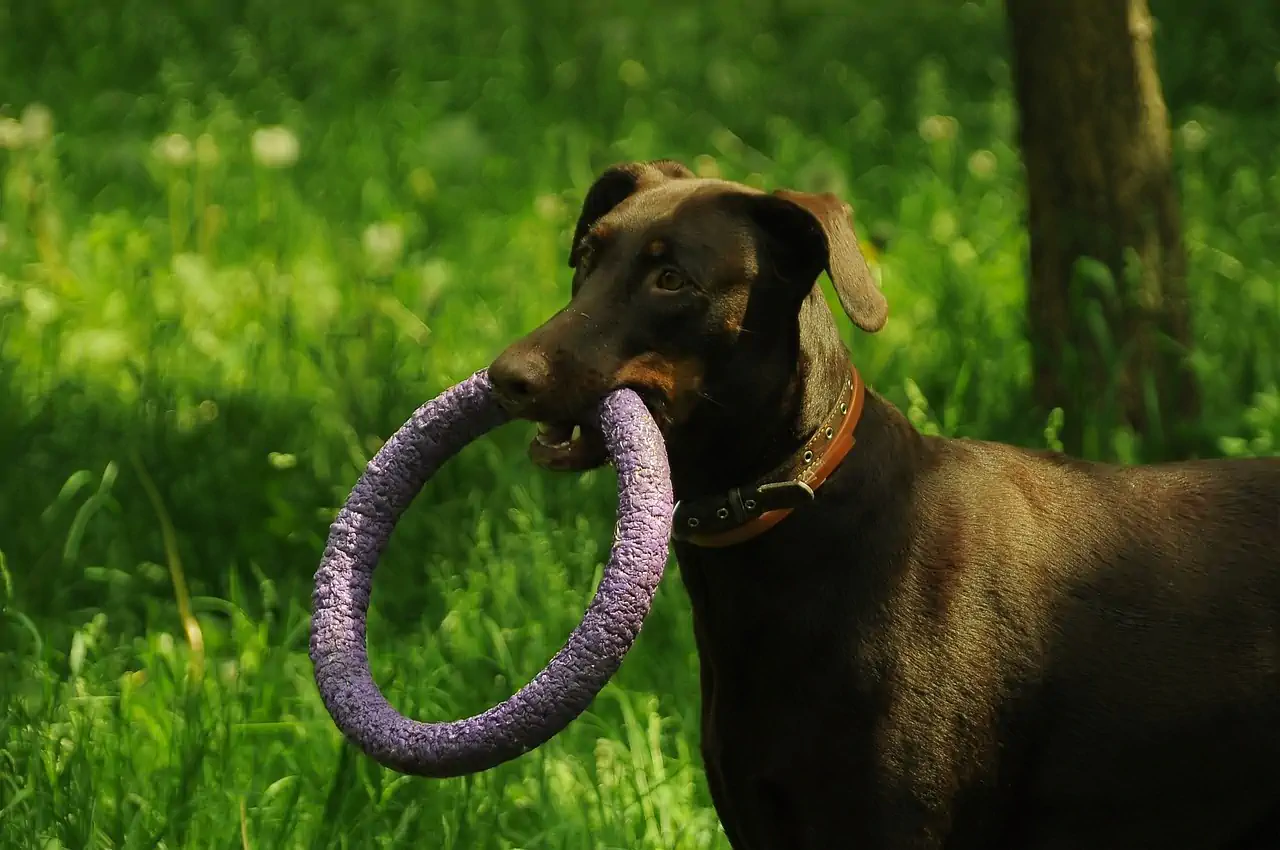
Encouraging positive interactions with other dogs is vital for helping a reactive dog socialize effectively.
Gradual exposure to new experiences, including dog sports and visits to the dog park, can aid in desensitizing the dog to triggers.
Seeking guidance from a veterinary behaviorist or enrolling in an online course on dog reactivity can provide valuable insights and support.
Paying close attention to the dog’s body language and promoting relaxed interactions are essential. Socialization should ideally commence during the dog’s early years to facilitate practical training.
The Process of Introducing a Reactive Dog to Other Dogs
Introducing a reactive dog to other dogs requires patience and expertise. Proper reactivity training can create positive associations, making interactions with other dogs more manageable.
Seeking guidance from a professional trainer is crucial, as they can provide tailored advice on the best approach for introducing a reactive dog to other dogs.
Training involves behavior modification techniques and positive reinforcement, ensuring the dog feels safe and secure during interactions.
Understanding the specific needs of rescue dogs and developing a customized training plan for them is essential.
Additionally, recognizing and interpreting a dog’s body language is vital in reactivity training, as it helps gauge their comfort level and response during introductions.
The Effect of Off-Leash Play on Reactive Dogs
Off-leash play sometimes triggers reactive behavior in certain dogs, necessitating professional assistance for behavior adjustment training, and recognizing a dog’s reactivity aids in effectively managing situations, including off-leash play.
Implementing positive training for reactive dogs involves creating constructive associations with external experiences such as off-leash play.
Through reactivity training, dogs can develop affirmative experiences, even in stressful circumstances like off-leash play, enabling them to exhibit calm behavior in the presence of off-leash dogs.
This helps avoid potential confrontations and fosters a sense of security and relaxation in dogs during off-leash play.
Recommended Gear for Training a Reactive Dog
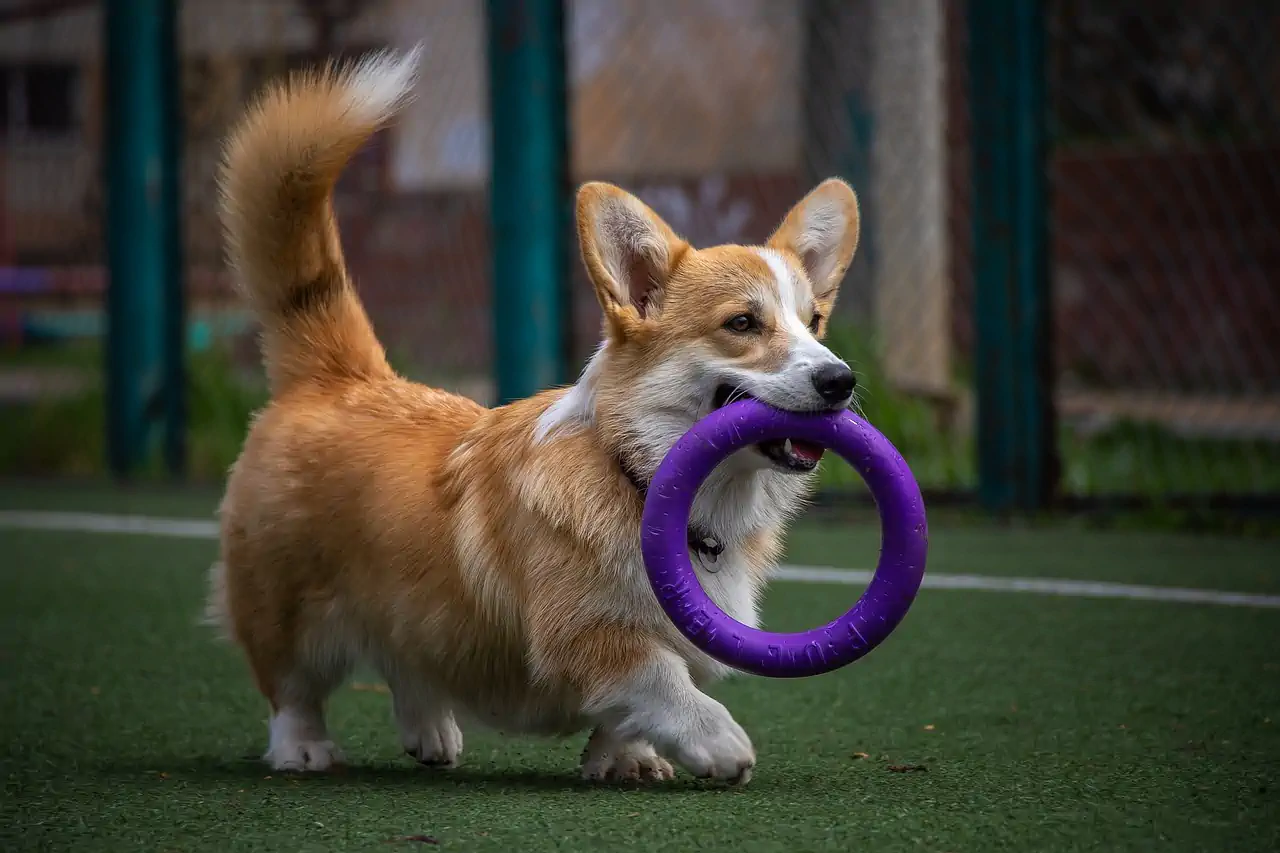
Specific gear like gentle leaders or front-clip harnesses are often necessary when addressing leash reactivity.
Additionally, incorporating puzzle toys provides mental stimulation during training. Body language cues, positive reinforcement, and professional guidance are crucial for successful reactive dog training.
Understanding a dog’s behavior and reactivity is essential in selecting the appropriate training gear.
Essential Items for Reactive Dog Training
When training a reactive dog, essential items are crucial in ensuring success.
A positive reinforcement training plan, puzzle toys, and a professional trainer’s guidance are indispensable.
These items aid in behavior modification by creating positive associations and providing mental stimulation.
Understanding a dog’s reactivity and body language helps select the right training items.
Additionally, proper reactivity training involves positive reinforcement, counter-conditioning, and using good things to address reactivity effectively.
Professional help is crucial, especially in stressful situations, as it ensures behavior adjustment training is conducted appropriately.
By incorporating these essential items and seeking professional guidance, owners can effectively address their dog’s reactivity and improve their overall well-being.
Frequently Asked Questions
What Should You Do if an Off-Leash Dog Approaches Your Reactive Dog?
When faced with an off-leash dog approaching your reactive dog, it’s crucial to maintain a safe distance and focus on positive experiences. Reactivity training allows owners to manage such situations effectively through positive reinforcement. Seeking professional training can also provide valuable guidance in addressing these encounters.
What dog breeds tend to be reactive?
Certain dog breeds tend to be more reactive than others. However, it’s important to remember that individual dogs within a breed can have different temperaments and behaviors, so these generalizations may not apply to every dog. Some dog breeds that are often considered to be more reactive include:
- German Shepherds: Known for their intelligence and loyalty, they can also be protective and reactive in certain situations.
- Rottweilers: Rottweilers are often described as confident and protective, but they can also be wary of strangers and exhibit reactive behavior if not properly socialized and trained.
- Doberman Pinschers: Dobermans are known for their loyalty and guarding instincts, but this can also make them more prone to react aggressively in certain situations.
- Jack Russell Terriers: These energetic and intelligent dogs can be reactive due to their high prey drive and tendency to be territorial.
- Chihuahuas: Chihuahuas may have a reputation for being yappy or reactive, especially when they feel threatened or intimidated.
It’s important to note that proper socialization, training, and responsible ownership play a significant role in a dog’s behavior. Any dog, regardless of breed, has the potential to become reactive if not given the appropriate care and training.
Does getting another dog help a reactive dog?
Getting another dog can positively and negatively affect a reactive dog.
It is essential to carefully consider your reactive dog’s individual needs and behavior before deciding to get another dog.
In some cases, having a calm and well-trained companion dog can help reduce anxiety and positively influence the reactive dog.
The presence of another dog can also provide socialization opportunities that can help improve behavior.
However, ensuring that the new dog is a good match for your reactive dog in terms of temperament, energy levels, and training needs is crucial.
Introducing a new dog without proper preparation and management can worsen the reactivity or create additional behavioral issues.
It is recommended to consult with a professional animal behaviorist or trainer who works with reactive dogs to determine if getting another dog is the right choice for your specific situation.
Conclusion
In conclusion, training reactive dogs requires patience, consistency, and a deep understanding of their behavior. Identifying triggers and implementing desensitization and counter-conditioning techniques can help your dog become more comfortable in different situations.
They must manage their environment using sightline barriers and changing walking routes to avoid potential triggers.
Socializing your reactive dog should be done gradually and with caution, ensuring their safety and the safety of others.
Lastly, having the right gear, such as a secure leash and treats, can aid the training process. Remember, with time and dedication, you can help your reactive dog become more confident and lead a happier, stress-free life.