
Gut health is the foundation of overall wellness, and probiotics have become increasingly popular in recent years due to their role in promoting a healthy gut.
But what exactly are probiotics? How do they work? And most importantly, how can we incorporate them into our daily diet for maximum benefit?
In this blog, we’ll explore the science behind probiotics and gut health, highlighting probiotics’ important role in boosting our immune system.
We’ll also dive into the top probiotic foods and drinks and tips on easily incorporating them into your daily diet.
Lastly, we’ll touch upon the connection between gut health and mental health to give you a holistic view of the benefits of incorporating probiotic-rich foods into your lifestyle.
Understanding Probiotics and Their Importance
Probiotics are vital for digestive health and overall well-being, as they consist of live microorganisms offering health benefits when ingested.
These beneficial bacteria are present in probiotic supplements, promoting gut health, while the fermentation process in probiotic foods yields lactic acid bacteria.
Incorporating probiotic foods into your daily diet can significantly enhance gut health, supporting a healthy digestive system and overall well-being.
Brief on Probiotics
Probiotics, as beneficial bacteria for the digestive system, are present in fermented foods and supplements.
Active cultures in probiotic foods foster the growth of healthy bacteria and contribute to gut microbiome health.
Studies have explored probiotics’ potential immune system benefits, emphasizing their role in overall well-being.
Probiotic-rich foods can positively impact gut health and support the body’s natural defense mechanisms.
Role in Gut Health
Probiotic foods help maintain a healthy balance of gut microorganisms, supporting digestive health by promoting the growth of good bacteria.
They contribute to the health of the gut microbiota and aid in digestion. Including probiotic foods in your diet can support a healthy gut microbiome.
Recent years have seen increased research on the role of probiotics in gut health, confirming their positive impact.
The Science Behind Probiotics and Gut Health

The fermentation process in probiotic foods fosters beneficial bacteria, while live cultures of good bacteria aid digestion.
These bacteria contribute to gut microbiota health, and research indicates their numerous health benefits.
Probiotic supplements contain live bacteria that support gut health.
In recent years, international scientific associations have recognized the potential of probiotics for overall well-being, including weight loss and mental health.
How Do Probiotics Work?
Probiotic foods work by introducing beneficial bacteria into the digestive system. These healthy bacteria support digestion, aid in maintaining a healthy gut microbiome, and promote gut health. With their lactic acid bacteria, probiotic foods help balance the gut microbiota for optimal digestive function.
Probiotics and the Immune System
In recent years, research has shown probiotic foods’ potential immune system benefits, suggesting a positive impact on immune system function.
The influence of probiotic foods on the gut microbiome can extend to immune system support, emphasizing the role of probiotic bacteria in immune health.
Studies from Harvard Medical School have highlighted the connection between probiotics and immune system function, emphasizing their significance in overall health.
Top Probiotic Foods for a Healthy Gut

In recent years, dairy products like yogurt and kefir have gained attention for their probiotic benefits.
Traditional buttermilk and aged cheeses are also sources of beneficial bacteria, supporting gut health.
Incorporating probiotic foods into your diet can promote digestive health and a healthy gut microbiome, as acknowledged by international scientific associations.
These foods’ small amounts of probiotics can contribute to overall nutrition and well-being.
Yogurt and Its Varieties
Yogurt, a popular probiotic food, contains live cultures of beneficial bacteria that support gut health.
Its different varieties offer a diverse range of probiotic content, contributing to the growth of beneficial gut bacteria.
Incorporating yogurt into your diet promotes a healthy gut microbiome, recognized for its digestive health benefits.
Recent studies from Harvard Medical School emphasize the significance of yogurt for improved digestion and overall nutrition.
Kefir: A Fermented Milk Drink
Kefir, a fermented milk drink rich in live probiotic content, introduces beneficial bacteria into the digestive system and aids gut microbiota health.
With its live cultures of good bacteria, kefir supports a healthy gut microbiome and promotes digestive health.
In recent years, kefir has gained recognition for its contribution to gut health, endorsed by the International Scientific Association.
Cultured Cottage Cheese: A Hidden Probiotic Source
Supporting digestive health, cultured cottage cheese contains live bacteria beneficial for gut health.
This lesser-known probiotic food can introduce helpful bacteria into the digestive system, aiding gut health.
The live cultures in cottage cheese contribute to gut microbiota health, making it a valuable addition to one’s diet.
Consuming cultured cottage cheese can play a role in supporting and maintaining gut health.
Fermented Foods and Their Probiotic Power

Fermented foods, such as kimchi and sauerkraut, are rich in good bacteria essential for gut health.
These foods contain live cultures that support the growth of healthy bacteria through fermentation.
Incorporating fermented foods into your diet can contribute to overall digestive health by maintaining a healthy gut microbiome.
In recent years, the consumption of probiotic-rich foods has gained recognition for its potential benefits in promoting gut health.
Kimchi: A Korean Delicacy
Kimchi, a beloved Korean staple, teems with probiotic bacteria and lactic acid from its fermentation process.
Regular consumption can bolster a robust gut microbiota and promote beneficial gut bacteria.
Recognized for its immune system support, kimchi has gained prominence recently for its health benefits.
Incorporating this traditional dish into your diet can significantly improve gut health and overall well-being.
Sauerkraut: A European Favorite
Sauerkraut, a renowned European staple, teems with live cultures that bolster digestive health.
Its probiotic richness aids in digestion while fostering a healthy gut microbiota.
As a fermented delight, sauerkraut promotes the growth of beneficial bacteria and contributes to overall digestive wellness.
Its consumption may significantly enhance gut health and digestive function, making it a valued addition to a balanced diet.
Tempeh: A Vegan-Friendly Option
Tempeh, a plant-based protein source made from fermented soybeans, is a vegan-friendly option rich in beneficial bacteria and lactic acid.
The fermentation process of tempeh results in the production of live organisms, making it a probiotic food that supports gut health and digestion.
Including tempeh in your diet can aid in maintaining a healthy gut microbiome, contributing to overall digestive wellness.
Drinks That Boost Your Gut Health
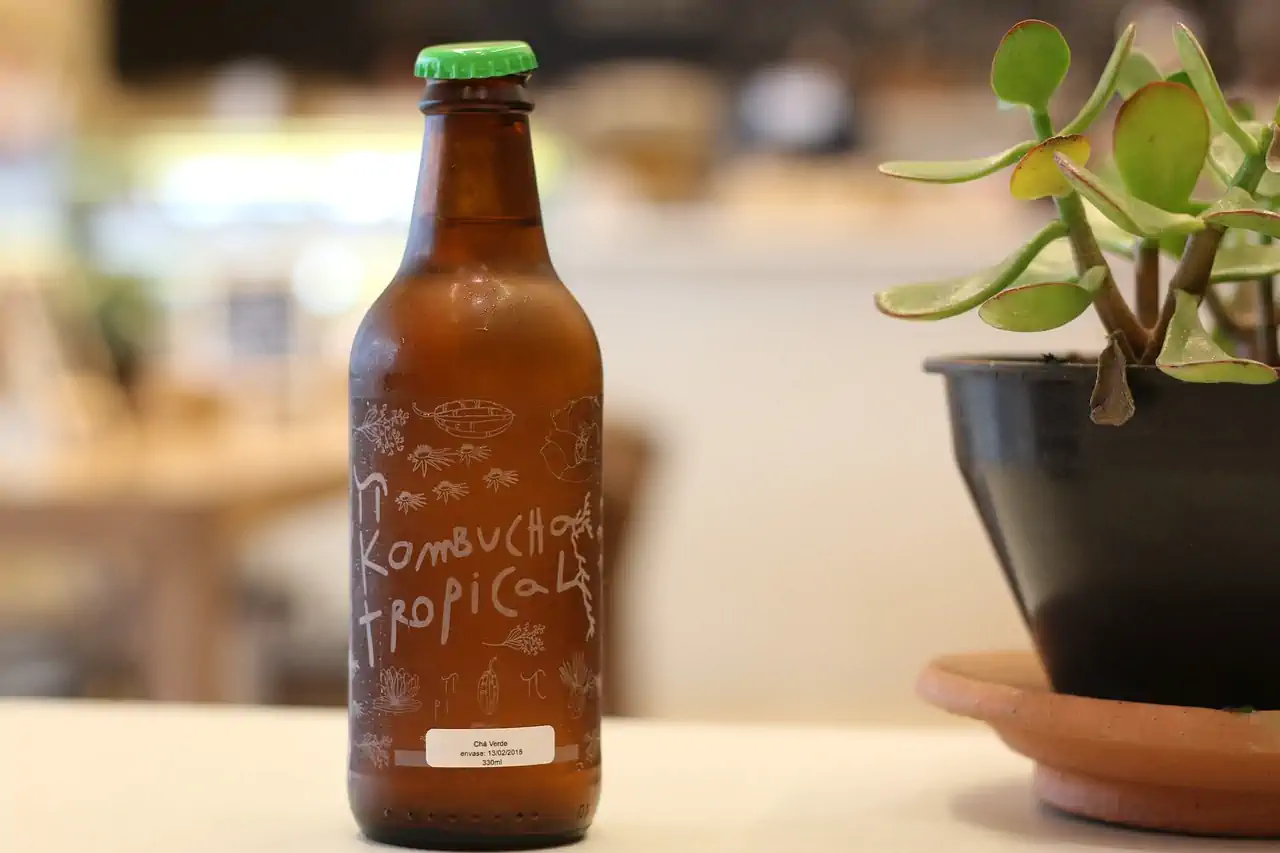
Enhancing gut health through beverages is achievable with kombucha and kvass.
These drinks contain live cultures that support the growth of beneficial gut bacteria, contributing to improved digestion.
The fermentation process of these probiotic drinks aids in forming additional beneficial bacteria, promoting overall digestive health.
Incorporating kombucha and kvass into your diet can help maintain a healthy gut microbiota.
Kombucha: The Fizzy Probiotic Beverage
Rich in live bacteria, kombucha is a fermented beverage with numerous health benefits.
Supporting gut health and the immune system, it aids in digestion and promotes a healthy gut microbiome.
Its consumption has gained popularity in recent years due to its probiotic content.
The fermentation process produces beneficial bacteria, making kombucha a valuable addition to one’s daily diet.
Kvass: A Traditional Slavic and Baltic Beverage
Kvass, a traditional beverage from Slavic and Baltic regions, is rich in live cultures, promoting gut health and beneficial bacteria.
Its probiotic content supports digestion and the gut microbiota, contributing to overall digestive health and immune system support.
Enjoyed for centuries, kvass is a fermented drink that aids in maintaining a healthy gut microbiome, aligning with recent years’ focus on nutrition for holistic well-being.
Adding Probiotics to Your Daily Diet

Incorporating probiotics-rich foods into your daily meals can significantly support gut health and improve digestion.
Easily accessible prebiotic foods like yogurt can be seamlessly integrated into your daily diet, while probiotic supplements provide an additional option for boosting gut health.
Furthermore, consuming fermented foods facilitates the proliferation of healthy bacteria in the gut, contributing to enhanced overall digestive well-being.
Incorporating Probiotic Foods into Meals
Incorporating probiotic-rich foods, like yogurt and kefir, supports gut health and digestion.
Foods such as miso and tempeh contribute to overall digestive health and support a healthy gut microbiota.
Including fermented foods in meals promotes the growth of beneficial bacteria in the gut, enhancing overall digestive health.
Additionally, probiotic supplements can be seamlessly integrated into daily meals for added gut health support.
Probiotic Supplements: Are They Necessary?
Are probiotic supplements essential for gut health?
Including probiotic supplements in your routine can support a healthy gut microbiome and aid digestion.
These supplements promote the growth of beneficial bacteria, contributing to overall digestive health and immune system support.
Consider probiotic supplements for additional gut health benefits.
Probiotics and Lifestyle: A Holistic View

In recent years, the link between probiotic foods and improved overall health has gained significant attention.
Incorporating probiotic-rich foods like kefir, miso soup, and sourdough bread into your diet can enhance gut microbiota and promote digestion.
According to experts at Harvard Medical School, probiotic foods play a crucial role in supporting a healthy immune system and fostering the growth of beneficial bacteria in the gut.
Pairing Probiotic Foods with Exercise
Enhancing an active lifestyle, probiotic foods aid in promoting digestive health.
Regular consumption can help maintain good gut health during physical activity.
Active cultures found in kefir and tempeh are beneficial for digestion.
Additionally, when combined with exercise, kombucha may improve gut microbiome health, contributing to overall health benefits.
The combination of probiotic foods and exercise offers holistic well-being support.
Can Probiotic Foods Improve Mental Health?

Probiotic foods, such as miso and apple cider vinegar, may positively impact mental health.
They contain live organisms that are associated with potential improvements in cognitive well-being.
Probiotic foods like yogurt and pickles may support gut-brain health, potentially benefiting overall mental wellness.
The lactic acid bacteria found in probiotic foods could contribute to an improved sense of well-being.
Conclusion
Incorporating probiotic foods into your diet can significantly improve your gut health and overall well-being.
Probiotics play a crucial role in maintaining a healthy balance of bacteria in your gut, which is essential for digestion, nutrient absorption, and immune function.
There are numerous delicious options, from yogurt and kefir to fermented vegetables and drinks like kombucha.
By adding these probiotic-rich foods to your daily meals and staying consistent with your regimen, you can experience the benefits firsthand.
Remember, a healthy gut means a healthier you.
So start unlocking the benefits of probiotic foods today and share this valuable information with your friends and family on social media.