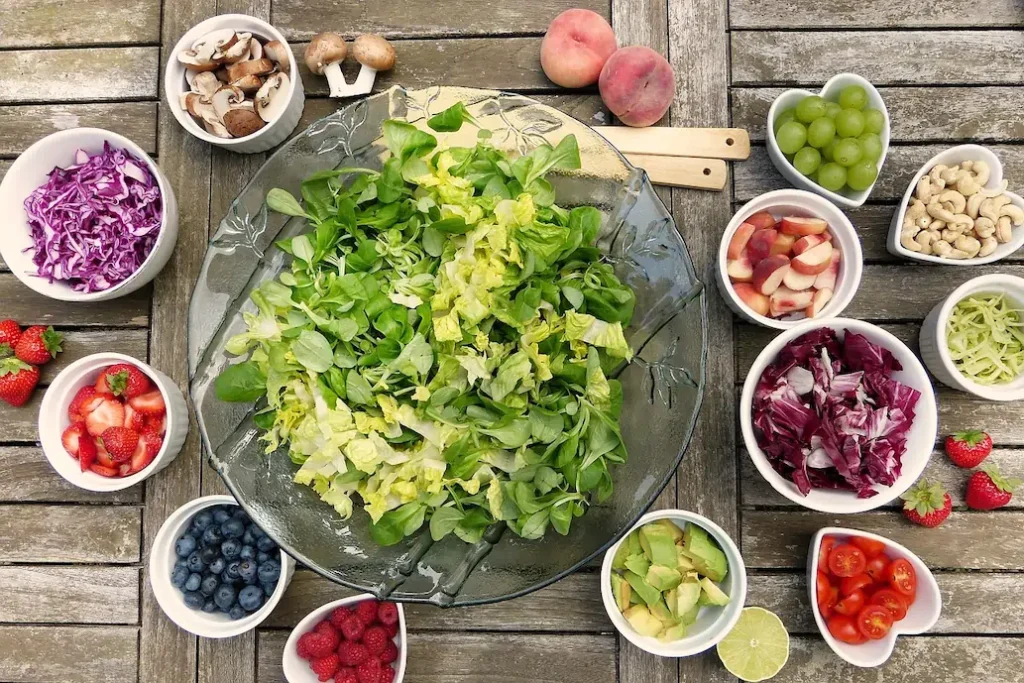
Eating healthy seems to be the buzzword, but what does a healthy diet mean? A healthy diet is not just about counting calories or eliminating certain food groups. It’s a long-term approach to eating that emphasizes health and wellness. In this blog, we will dive into the components of a healthy diet, understand the role of nutrients in our diet, and avoid unhealthy foods.
We’ll also cover how to plan meals for a healthy diet while incorporating variety in your food choices. Finally, we’ll talk about sustainable habits you can adopt to maintain a healthy diet consistently. So, let’s get started on this journey towards a healthier lifestyle!
Understanding a Healthy Diet

Eating various foods in appropriate portions is fundamental for supporting our bodies with essential nutrients and promoting overall health and well-being. Making nutritious choices to fuel our bodies with the right nutrients is crucial for understanding a healthy diet.
Adopting eating habits that promote good health includes consuming foods that are good sources of protein, vitamins, and unsaturated fats while limiting the intake of saturated fats and cholesterol.
It’s about making conscious decisions about the type of food we consume to lower the risk of heart disease and maintain healthy cholesterol levels, ensuring that we drink plenty of water and consume healthy snacks such as fruits, vegetables, and dairy alternatives to boost energy levels and improve our overall health.
Importance of a Balanced Diet
Eating various foods in the right proportions is essential for good health and overall well-being. A balanced diet gives the body the necessary nutrients to function properly and supports a healthy body, mind, and lifestyle. Making healthy food choices is key to nourishing the body and mind, ensuring it gets the right amount of vitamins, proteins, and other essential nutrients.
By understanding the importance of a balanced diet, individuals can make informed decisions about their food intake, reduce the risk of heart disease, and maintain healthy cholesterol levels. Embracing a balanced diet is the best way to fuel the body with what it needs to thrive.
The Role of Nutrients in Our Diet
Nutrients are essential for the body to function, grow, and repair itself vital in supporting overall health and well-being. Understanding their significance is crucial to good health, as they contribute to physical and mental well-being.
Nutrients are the building blocks of good health and a healthy body, underscoring the importance of a well-balanced diet. Individuals can ensure that their bodies receive the necessary vitamins, minerals, and other essential nutrients to thrive by consuming various nutrient-rich foods.
Components of a Healthy Diet

Various food groups ensure balanced nutrition, encompassing fruits, vegetables, lean proteins, dairy, grains, and healthy fats. It’s essential for overall health and well-being, and to avoid unhealthy weight gain, total fat intake shouldn’t exceed 30% of energy.
Incorporating nutritious foods supports good health, meeting the body’s nutritional needs. Saturated fats should be limited, and oily fish and unsaturated fats are good choices. Registered dietitians can guide healthy snacks, like sweet potatoes with soy sauce, and reduce soft drinks and fruit juice intake. Drinking plenty of water is important, as it’s the best way to stay hydrated.
Fruits and Vegetables
Incorporating a variety of fruits and vegetables into your diet is crucial for overall well-being. These colorful foods are rich in fiber, antioxidants, and essential vitamins and minerals that support good health. From crunchy carrots to juicy berries, the range of flavors and textures provides an array of nutrients for the body.
Whether snacking on an apple or adding leafy greens to a salad, fruits and vegetables are the cornerstone of a nutritious diet. Embracing the natural goodness of these foods is key to nourishing both the body and mind.
Proteins, Dairy, and Grains
Proteins, dairy, and grains are vital in a balanced diet, providing essential nutrients such as protein, calcium, and carbohydrates. Including various food groups is crucial for overall well-being and contributes to good health. From lean meats to dairy products and whole grains, incorporating these into your diet can nourish the body and mind, promoting overall wellness.
Additionally, these food groups offer a range of options for healthy snacks and meals. Embracing proteins, dairy, and grains as part of your diet can be a tasty and satisfying way to maintain a nutritious lifestyle.
Healthy Fats and Oils
A healthy diet means incorporating healthy fats and oils into your diet is crucial for good health. They play a vital role in supporting heart health and overall well-being, providing essential fatty acids for the body. Including healthy fats and oils is a critical element of a nutritious diet to support the body and mind, offering a variety of benefits.
These unsaturated fats are essential to a balanced diet, whether from oily fish, nuts, or olive oil. From lowering the risk of heart disease to providing fewer calories, healthy fats, and oils are an important part of your diet that should not be overlooked.
Avoiding Unhealthy Foods

Understanding the impact of high-sugar and high-salt foods is crucial to healthy choices. The dangers of high-salt foods highlight the importance of avoiding unhealthy dietary choices. Making healthy food choices is a fundamental part of a nutritious diet and overall good health, supporting heart health and reducing the risk of heart disease.
Opting for healthier snacks like sweet potatoes and including small amounts of soy sauce in cooking can help avoid unhealthy foods. Choosing fewer calories from oily fish instead of animal fats is the best way to limit fat intake, leading to lower cholesterol levels and a healthier lifestyle.
High Sugar Foods and Their Impact
High-sugar foods can lead to tooth decay and weight gain, underscoring the importance of understanding their impact on overall health. Limiting their consumption is crucial for better dietary choices and overall well-being.
The link between high sugar intake and health risks emphasizes the need for healthier alternatives. Recognizing the effects of high-sugar foods highlights the significance of adopting healthy eating habits, promoting a nutritious diet, and supporting good health.
Dangers of High-Salt Foods
High-salt foods can lead to high blood pressure and heart disease, emphasizing the need for healthier dietary choices. It’s crucial to limit the intake of high-salt foods to support good heart health and overall well-being. Understanding the dangers of high-salt foods highlights the importance of making informed decisions about food consumption.
By being mindful of the risks associated with high salt intake, individuals can make healthier choices to promote better health. The significance of healthy eating habits cannot be overstated, especially when minimizing the consumption of high-salt foods.
Meal Planning for a Healthy Diet

Meal planning for a nutritious diet involves incorporating a variety of food groups and nutrients, such as whole grains, lean meats, and a diverse selection of fruits and vegetables. It also entails using healthy fats like olive oil in meal preparations and monitoring portion sizes for balanced meals. Adhering to dietary guidelines is crucial for creating a well-rounded meal plan.
By focusing on these aspects, meal planning can help individuals achieve a healthy and balanced diet, ensuring they receive essential nutrients while managing calorie intake effectively. Embracing sustainable healthy eating habits through mindful meal planning is vital to consistently maintaining a nutritious diet.
Daily Serving Sizes
Understanding the ideal serving sizes for different food groups is crucial for maintaining a balanced diet. It’s essential to strike a balance between various foods to align with daily dietary guidelines. Incorporating a diverse range of foods in recommended serving sizes ensures a healthy diet.
Monitoring calorie intake is important to meet these serving sizes. Opt for healthier food options that align with daily dietary recommendations. By incorporating the right serving sizes, individuals can consume fewer calories, reduce the risk of heart disease, and maintain cholesterol levels within healthy ranges.
Incorporating Variety in Your Diet
A healthy diet means a diverse and balanced diet is crucial for overall health and well-being. It is important to explore new and creative ways of incorporating fresh ingredients into your meals by incorporating a variety of foods from different food groups. Adapting your meal plans to include a diverse range of healthy options is key to maintaining a balanced and nourishing diet.
Including foods from different sources helps ensure you consume a well-rounded intake of essential nutrients. Fresh fruits, leafy greens, whole grains, lean proteins, and healthy fats should all be included in your daily meals. These foods provide essential vitamins, minerals, fiber, protein, and healthy fats for optimal body function.
Embracing variety in your diet can add excitement to your meals and make it easier to stick to a nutritious diet. Try experimenting with new recipes or swapping out ingredients in your favorite dishes with healthier alternatives. Eating diverse foods also helps reduce the risk of nutrient deficiencies and chronic diseases such as heart disease, diabetes, and cancer.
Incorporating more plant-based foods into your diet is also an excellent way to diversify your meals while reaping numerous health benefits. Plant-based diets have been linked to lower rates of chronic diseases and improved overall health outcomes. Consider adding more vegetables, fruits, nuts, seeds, legumes, and whole grains to your meals for a greater variety of flavors and textures.
Sustainable Healthy Eating Habits
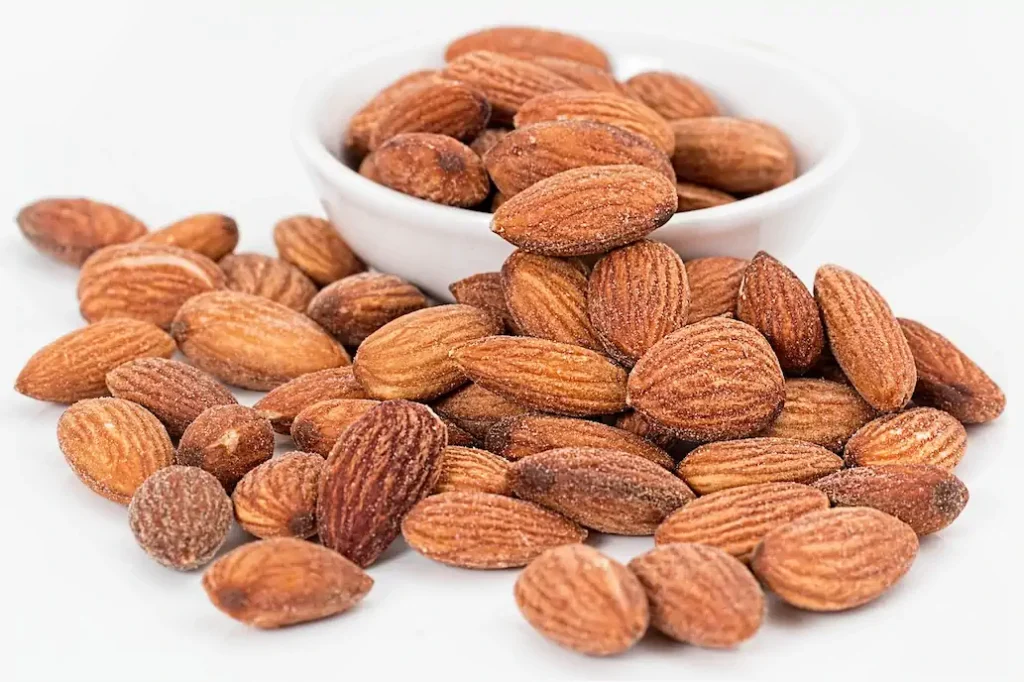
Establishing sustainable healthy eating habits is the key to promoting overall well-being and good health. We can ensure a balanced and nutritious diet by making small changes to our eating habits and incorporating healthier choices.
Opting for healthier snacks, such as fresh fruit or unsalted nuts, helps avoid tooth decay but also aids in maintaining a healthy weight. It’s essential to consume a variety of foods to support healthy nutrition and overall good health. Creating dietary patterns that align with a healthy diet can significantly promote heart health and reduce the risk of heart disease.
How to Maintain a Healthy Diet Consistently?
Consistently maintaining a healthy diet is crucial for overall well-being. Focus on choosing the healthiest options when planning meals, incorporating a balanced diet with high protein, vitamins, and healthy fats. Implement dietary guidelines and make sustainable choices to align with a healthy diet definition and ensure good sources of nutrition.
Conclusion
In conclusion, maintaining a healthy diet is crucial for overall well-being and longevity. A healthy diet should consist of a balance of nutrients, including fruits, vegetables, proteins, dairy, grains, and healthy fats and oils. Avoiding high-sugar and high-salt foods is important for preventing health issues.
Meal planning can help you get the right daily serving sizes and incorporate variety into your diet. Developing sustainable healthy eating habits is key to long-term success. Consistency is key to maintaining a healthy diet, so find strategies that work for you and stick to them. Remember, a healthy diet is not about restriction but about nourishing your body and enjoying the benefits of good nutrition.
2 comments