
Intermittent fasting is a popular way to lose weight and improve overall health.
However, many people find that despite following the fasting schedule, they are not losing weight as expected.
If you are one of those people who feel stuck in their weight loss journey despite doing everything right, don’t worry!
This blog post will discuss people’s common mistakes while intermittent fasting and how to overcome them.
We will also delve into the role of nutrition in intermittent fasting, the right approach to exercise during fasting, and how to identify and overcome a weight loss plateau.
So, if you’re struggling with your intermittent fasting routine and want to achieve your desired results, keep reading to learn what you can do next.
Understanding Intermittent Fasting and Weight Loss
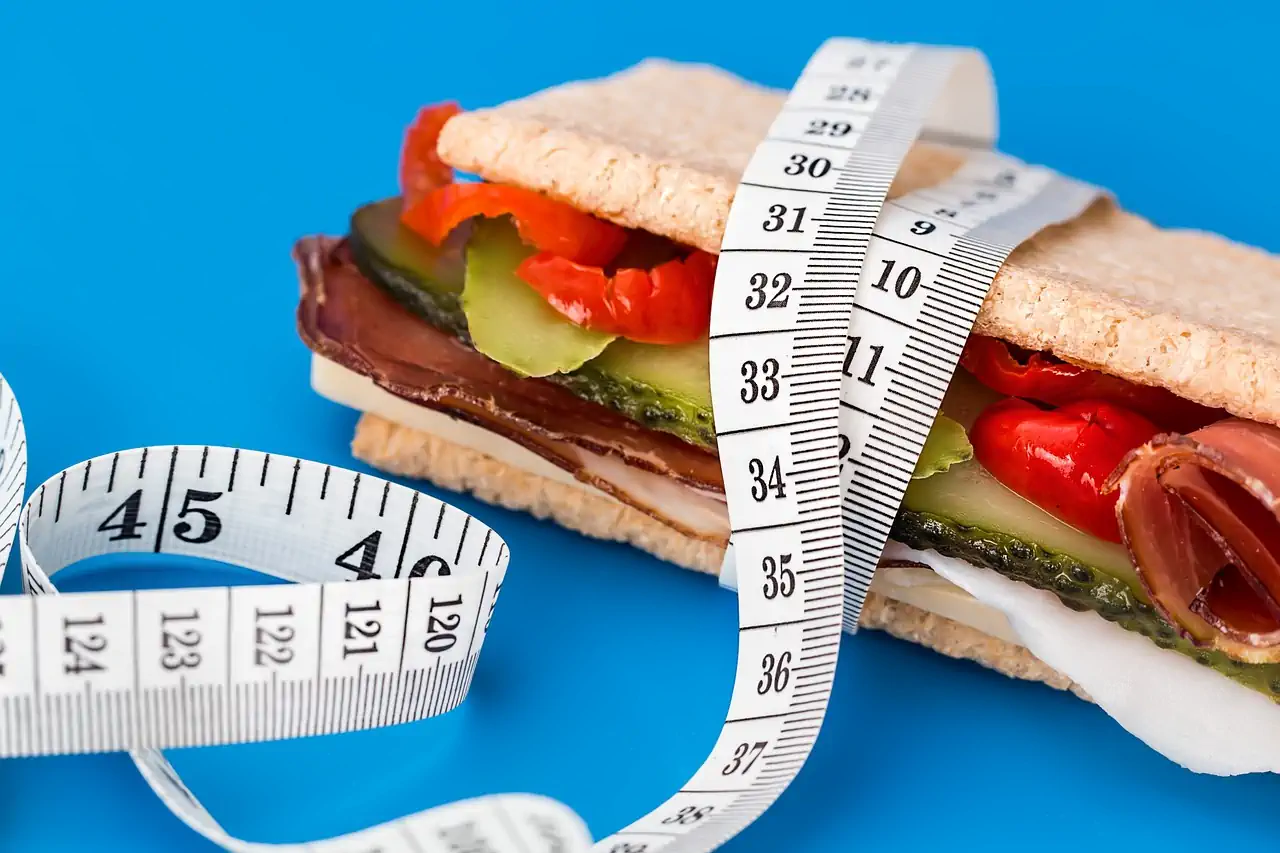
Intermittent fasting is a calorie regulation method that entails going without food for extended periods to burn fat for energy and enhance metabolic rate.
The eating window plays a critical role in achieving intermittent fasting results, making it a practical approach for weight loss.
By controlling calorie intake and improving metabolic processes, intermittent fasting is a practical strategy for individuals looking to manage their weight and improve overall health.
This eating pattern has also been linked to other benefits, such as reducing inflammation, improving brain function, and extending lifespan.
However, it is essential to note that intermittent fasting may not be suitable for everyone and should be approached with caution if you have underlying health conditions or are pregnant or breastfeeding.
It is always advisable to consult with a healthcare professional before starting any new diet or exercise program.
The Science Behind Intermittent Fasting
Intermittent fasting stimulates the body’s fat-burning process, improving blood sugar levels and insulin sensitivity.
This method triggers growth hormone production and influences gene expression and cell repair.
Through caloric restriction, intermittent fasting supports weight management.
The scientific benefits of intermittent fasting make it a good fit for those seeking to regulate their calorie intake and improve metabolic health.
Impact of Intermittent Fasting on Weight Loss
Intermittent fasting can optimize the body’s fat loss process, promoting healthy weight management and loss.
By encouraging the body to use fat as an energy source, this fasting plan aids in achieving weight loss goals.
Additionally, it contributes to reducing body weight and improving overall health.
Incorporating intermittent fasting into a weight loss regimen can enhance the effectiveness of caloric restriction and metabolic rate for long-term success.
Common Mistakes in Intermittent Fasting

Choosing the wrong fasting plan can significantly impact weight loss outcomes.
Inadequate sleep and hydration can disrupt fasting results, affecting the body’s ability to burn fat efficiently.
Overeating during non-fasting periods hinders weight loss goals, often leading to consuming more calories than necessary.
Additionally, lack of meal quality and reliance on processed foods can negatively affect intermittent fasting results due to the reduced nutrient density and the consumption of unhealthy fats.
Therefore, proper nutrition within the eating window, incorporating enough water, lean protein, whole grains, and healthy fats, is crucial for achieving desired weight loss results with intermittent fasting.
Overeating During Non-Fasting Periods
Overeating during non-fasting periods can result in a caloric surplus, hindering the benefits of intermittent fasting and weight loss.
This behavior may lead to weight gain and interfere with fat loss goals, disrupting the fasting window and impacting weight management.
Furthermore, overeating influences the body’s response to intermittent fasting, potentially compromising effectiveness.
It is crucial to be mindful of portion sizes and food choices during non-fasting periods to maintain the desired calorie restriction and support the overall objectives of intermittent fasting.
Ensuring a balanced diet, consuming enough water, and avoiding fast food or unhealthy snacks can contribute to the long-term success of an intermittent fasting diet.
Lack of Adequate Sleep and Hydration
Inadequate sleep disrupts the body’s hunger and satiety hormones, while dehydration affects energy levels during fasting.
These factors can increase hunger pangs and negatively impact metabolic rate and weight loss results.
Ensuring proper sleep and hydration is essential for success with intermittent fasting.
Without enough sleep and water intake, the body’s ability to regulate hunger and maintain energy levels is compromised, making it more challenging to adhere to a fasting schedule and see the desired results.
Therefore, prioritizing adequate sleep and staying well-hydrated is crucial to a successful intermittent fasting regimen.
Wrong Choice of Fasting Plan
Selecting an inadequate fasting plan can have adverse effects on weight loss goals.
The chosen fasting plan may not suit an individual’s lifestyle, leading to dissatisfaction and discontinuing intermittent fasting.
This misalignment between the plan and the individual’s needs can affect the body’s response to fasting, ultimately hindering its effectiveness.
Finding the right balance in the fasting plan that aligns with an individual’s lifestyle for success is crucial.
Factors such as work schedules, eating habits, and personal preferences should all be considered when selecting a fasting plan.
Additionally, it is essential to consult a healthcare professional before starting any new diet or fasting regimen to ensure it is safe and effective for your needs.
There are several types of intermittent fasting plans available, including time-restricted feeding (TRF), alternate-day fasting (ADF), and periodic fasting (PF).
Each type has unique benefits and drawbacks that should be considered before selecting.
Consistency is key regardless of which type of fasting plan an individual chooses.
Sticking to a regular eating and fasting schedule can help regulate hunger hormones, improve insulin sensitivity, and promote weight loss.
Staying hydrated and consuming nutrient-dense foods during eating periods is essential to support overall health and well-being.
The Role of Nutrition in Intermittent Fasting

Balanced nutrition within the eating window plays a crucial role in successful weight loss during intermittent fasting.
The quality of nutrition consumed during this period directly impacts the results of the fasting regimen.
Processed foods within the eating window can significantly affect weight loss goals, while whole foods support the body’s energy levels throughout fasting.
Additionally, ensuring adequate intake of lean protein within the eating window is essential to support fat loss and maintain muscle mass, contributing to positive outcomes from intermittent fasting.
Importance of a Balanced Diet in Your Eating Window
It’s crucial to emphasize the significance of a well-rounded diet within your eating window while practicing intermittent fasting.
You can support your body’s nutritional needs during fasting by ensuring that your meals contain enough water, lean protein, and whole grains.
A balanced diet prevents nutrient deficiencies and helps the body’s energy levels and fat loss, aiding in weight management.
Opting for whole, unprocessed foods over fast food can significantly impact your weight loss journey.
Additionally, the quality of nutrition during the eating window is known to have long-term effects on overall health and well-being, highlighting the importance of consuming a healthy diet during this time.
The Risk of Consuming Processed Foods
Consuming processed foods during intermittent fasting can disrupt the body’s hormonal balance, leading to weight gain and negatively impacting metabolic rate and fat loss.
Consuming processed foods can hinder the body’s response to intermittent fasting, affecting the desired results.
To mitigate these risks, incorporate whole grains, lean protein, and healthy fats into your eating window.
Avoid fast food and prioritize smaller, well-balanced meals to support your fasting goals.
Additionally, ensure you drink enough water, get enough hours of sleep, and maintain a diet quality that aligns with your calorie restriction goals.
Exercise and Intermittent Fasting

Combining intermittent fasting with regular exercise optimizes fat loss and metabolic health.
Exercise during fasting preserves lean muscle mass and improves body composition, enhancing the body’s ability to utilize stored fat.
Proper timing of workouts during the fasting window is crucial for maximizing intermittent fasting benefits.
Aerobic and resistance training complement the effects of intermittent fasting on weight management.
This approach results in enhanced physical performance, increased energy expenditure, and improved cardiovascular health.
When done correctly, exercise and intermittent fasting synergistically support overall well-being and long-term weight management.
The Right Approach to Exercise During Fasting
When incorporating exercise into fasting periods, consider engaging in low to moderate-intensity workouts like walking or yoga, as they can be beneficial—staying adequately hydrated and listening to your body’s signals during exercise while fasting is crucial.
Additionally, prioritize flexibility and balance exercises to support overall physical well-being.
Adjusting the timing of meals around the exercise window can help sustain energy levels during fasting.
For personalized exercise recommendations that align with your intermittent fasting plan, consulting a fitness professional or registered dietitian can optimize the fasting experience.
Remember, a balanced approach to exercise during fasting can enhance the overall benefits without compromising your health.
Identifying and Overcoming Weight Loss Plateau

Monitoring your calorie intake and meal quality is crucial in overcoming weight loss plateaus during intermittent fasting.
Regularly adjusting your fasting window and meal plan can break through these plateaus.
Furthermore, ensuring adequate sleep and effective stress management are vital to conquering weight loss plateaus during intermittent fasting.
Tracking body weight, body measurements, and food intake can offer valuable insights into the factors contributing to these plateaus.
Additionally, experimenting with different fasting protocols, such as alternate-day fasting, may provide the necessary breakthrough for overcoming these plateaus.
By implementing these strategies, you can effectively identify and overcome the challenges of a weight loss plateau during intermittent fasting.
Recognizing and Breaking the Weight-Loss Plateau
Distinguishing weight loss plateaus from normal variations involves understanding the body’s natural weight fluctuations.
Breaking through plateaus can be achieved by increasing physical activity levels and varying workout intensity.
Evaluating meal calorie content and macronutrient composition can uncover barriers to weight loss and adjust the fasting window.
Seeking guidance from healthcare professionals or registered dietitians offers practical strategies to address plateaus.
Still Not Losing Weight with Intermittent Fasting: What’s Next?

To achieve the desired weight loss with intermittent fasting, reassess your caloric intake and portion sizes during eating windows. Maintain a balanced diet, manage lifestyle factors like stress and sleep quality, and consult a healthcare provider. Adjust your fasting plan based on individual responses for long-term success.
Conclusion
In conclusion, intermittent fasting can be effective for weight loss and overall health improvement.
However, assessing your approach and making necessary adjustments is important if you’re not seeing the desired results.
Common mistakes such as overeating during non-fasting periods, lack of sleep and hydration, and following the wrong fasting plan can hinder your progress.
Additionally, nutrition plays a crucial role in intermittent fasting, so focus on consuming a balanced diet within your eating window and avoid processed foods.
Incorporating exercise into your fasting routine can also enhance your results.
If you’ve hit a weight loss plateau, recognize it and implement strategies to break through it.
Remember, everyone’s journey is unique, so don’t get discouraged. Stay committed, make necessary changes, and strive for your health goals.
And don’t forget to share this valuable information with others on social media.